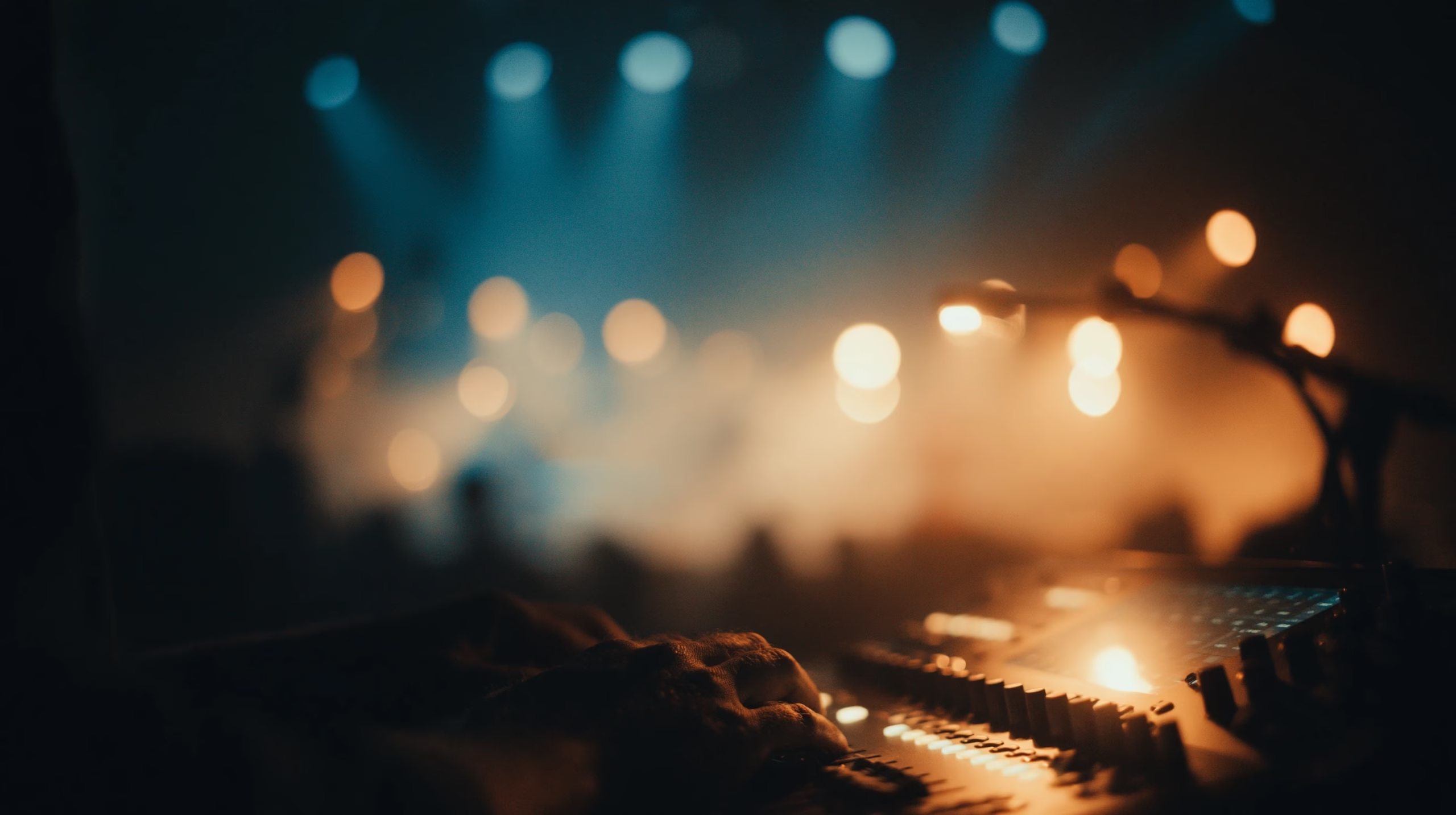
Many growing churches assume that a modern, engaging worship atmosphere demands a six-figure Hollywood production budget. The truth is far more encouraging: strategic lighting is one of the most cost-effective ways to transform a sanctuary, and you do not need moving lasers or a massive rig to get there. What you need is a working understanding of light placement, color, and where to spend first.
Because the budget feels out of reach, facility managers often settle for harsh fluorescent overheads or outdated dimmer switches that leave the stage lost in shadow. That is a missed opportunity. Before the first note of worship plays, the lighting in the room has already communicated a mood to your congregation on a subconscious level. A shadowy stage reads as tired and unprepared, while a well-lit one signals warmth and intention. The good news is that beautiful, reverent lighting comes down to fundamentals you can learn and apply, not to how much you spend.
The foundation of any professional stage design is the three-point lighting rule, built from a key light, a fill light, and a backlight. The key light provides the main illumination on your speaker. The fill light softens the harsh shadows the key creates across the face. The backlight adds depth by separating the pastor from the background, so no one looks flat on your livestream.
Placement matters as much as the fixtures themselves. Aim for the 5’7″ rule, lighting your subjects at roughly five feet, seven inches high. Fixtures mounted too high cast dark, tired shadows beneath a speaker’s eyes, while fixtures mounted too low will blind the worship team. If your sanctuary already looks dim through the camera despite decent room lighting, the guide on why your sanctuary looks dark on camera walks through the common culprits.
Faithful stewardship means making purchases that lower your long-term operating costs, and commercial-grade LED fixtures do exactly that. Quality LEDs use 75% less electricity than traditional incandescent bulbs and last up to 25 times longer, with fixtures rated for as many as 50,000 hours. That difference all but eliminates the recurring cost and hassle of renting a scissor lift every month to replace burnt-out bulbs.
Efficiency is only part of the payoff. LEDs also give you control over color temperature, which lets you shape the emotional tone of the room. Your tech team can program warm amber tones (2700K to 3000K) to create an intimate, calming environment during communion or prayer, then transition seamlessly to crisp daylight tones (5000K and above) to lift the energy during upbeat praise and worship. If you are weighing fixture options and want a realistic picture of pricing, see the breakdown of real LED costs and hidden fees for North Georgia churches.
When a church in Forsyth or Gwinnett County finally gets approval for a lighting upgrade, the temptation is to rush toward colorful uplighting or LED video panels. Resist it. Your first priority is securing clear visibility for your primary communicators, so funnel the initial budget into high-quality front lighting for the pulpit and the altar focal points.
Once the pastor and worship leaders are clearly visible both in the room and on camera, you can move to phase two of the master plan: stage washes, architectural highlighting, and house light management for the congregation. Sequencing your spending this way keeps every dollar working toward the moments that matter most. For a broader framework on ordering these decisions, the church technology budget priority guide is a useful companion.
Even the most thoughtful lighting design falls flat if your weekend volunteers cannot operate it smoothly. Harsh, sudden light changes jar a congregation out of worship as surely as a dropped microphone. The fix is to simplify. Work with a local AV integrator to set up a digital control board built around pre-programmed “scenes,” then train your volunteers to use smooth three-to-five-second crossfades between moments in the service.
When your team has intuitive controls instead of a chaotic wall of switches, they stop worrying about mistakes and start participating in the creative side of the ministry. Growing churches have found this shift transformative, and the lessons in training volunteer tech teams can help you build that confidence from the start.
Great sanctuary lighting is not about the size of your budget. It is about applying the fundamentals well: three-point lighting at the right height, efficient LEDs tuned to the moment, front lighting funded first, and volunteers who feel confident at the controls. Get those right, and your space will feel intentional and inviting long before the music begins.
When you want a partner to design or refine your setup, the local church AV specialists at DCMM know North Georgia sanctuaries and can help you make every dollar count.
DCMM LC © 2025. All Rights Reserved.
Powered by Astrowave | Privacy Policy.
